
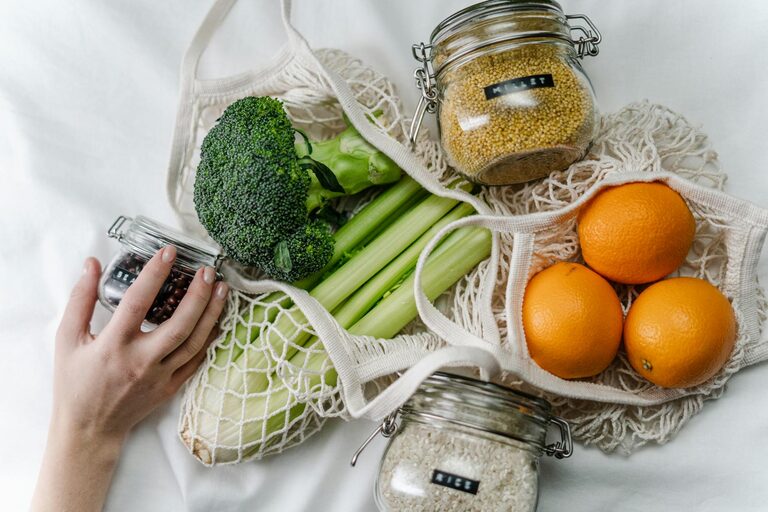
Reducing food waste at home is a practical way to save money, lessen environmental impact, and contribute to a more sustainable lifestyle. Every year, millions of tons of food are discarded globally, much of it avoidable. By making small changes in how we shop, store, and use food, we can significantly cut down waste. In this post, you’ll find friendly, easy-to-follow strategies to help minimize food waste in your household.
Why Reducing Food Waste Matters
Before diving into tips, it’s important to understand why reducing food waste is beneficial. Food waste contributes to unnecessary landfill mass, which produces methane—a potent greenhouse gas. Additionally, throwing away food wastes all the resources used in growing, harvesting, and transporting it, such as water, energy, and labor. By making conscious choices at home, you can reduce your environmental footprint and stretch your grocery budget further.
1. Plan Your Meals and Shop Smartly
One of the leading causes of food waste is buying more food than you need or items that spoil before being used.
– Make a meal plan: Outline meals for the week and list ingredients needed. This helps avoid impulse buying and ensures you purchase only what you will use.
– Check your pantry and fridge first: Use what you already have before buying more.
– Buy smaller quantities: If shopping for one or two people, buy smaller packages or portions to reduce leftovers that might go uneaten.
– Avoid bulk purchases unless certain to use: Bulk buying saves money but can lead to waste if items spoil.
– Use a shopping list: Stick to your list to avoid unnecessary purchases.
2. Store Food Properly to Extend Freshness
Correct food storage prevents premature spoilage.
– Understand storage needs: Different foods need different conditions — some belong in the fridge, others on the counter.
– Keep fruits and vegetables fresh: Store them in perforated plastic bags or containers with ventilation.
– Separate ethylene producers: Fruits like apples and bananas emit ethylene gas that accelerates ripening. Keep them away from sensitive produce.
– Use airtight containers: For leftovers and opened packages, airtight containers help maintain freshness.
– Label leftovers: Include dates to track how long food has been stored.
3. Practice Portion Control
Cooking or serving too much food can lead to waste when leftovers aren’t eaten.
– Cook reasonable portions: Use recipes scaled to the number of people or intended servings.
– Serve smaller portions first: If still hungry, you can have seconds, but this minimizes uneaten food.
– Use smaller plates: This can psychologically encourage eating appropriate amounts.
4. Get Creative with Leftovers
Leftover food is often discarded when it can be deliciously reused.
– Repurpose meals: Turn yesterday’s roast chicken into chicken salad or soup.
– Freeze leftovers: Label and freeze surplus portions for future meals.
– Use vegetable scraps: Save peels and ends to make homemade stock.
– Turn stale bread into croutons or breadcrumbs: It’s a great way to add texture to salads or meals.
– Blend overripe fruit: Make smoothies, jams, or baked goods like muffins and pancakes.
5. Understand Expiration Dates
Confusion about date labels often leads to unnecessary tossing of good food.
– “Best before” vs. “Use by”: Best before indicates quality, and food can still be safe afterward, while use-by is a safety date.
– Use your senses: Look, smell, and taste food to determine freshness rather than relying solely on dates.
– Freeze food approaching expiration: This can prolong its usability.
6. Compost Food Scraps
Not all food scraps can or should be eaten, but they don’t have to go to landfill.
– Start a compost bin: Composting converts food waste into nutrient-rich soil for plants.
– Know what to compost: Fruit and vegetable scraps, coffee grounds, eggshells, and certain paper products work well.
– Avoid composting meat or dairy: These can attract pests and cause odors.
– Use compost in your garden: It reduces waste and supports garden health.
7. Educate and Involve the Whole Household
Making food waste reduction a shared effort increases success.
– Talk about waste: Share tips and goals with family or roommates.
– Assign roles: Let each person be responsible for meal planning, cooking, or composting.
– Track waste: Keep a simple log of what’s thrown away to identify patterns and areas for improvement.
Quick Recap: Top Tips to Cut Food Waste at Home
– Plan meals and shop with a list.
– Store food in proper containers and conditions.
– Cook and serve suitable portions.
– Use leftovers creatively.
– Understand and trust your senses over date labels.
– Compost appropriate scraps.
– Involve everyone in your household.
By adopting these habits, you’ll not only reduce waste but also save money and contribute to a healthier planet.
Final Thoughts
Reducing food waste is a journey, and every effort counts. Starting with a few of these strategies can create lasting changes over time. By being mindful about the food you bring into your home, how you store it, and how you use it, you’ll enjoy fresher meals, less clutter, and a positive impact on the environment. Happy cooking and waste reduction!