
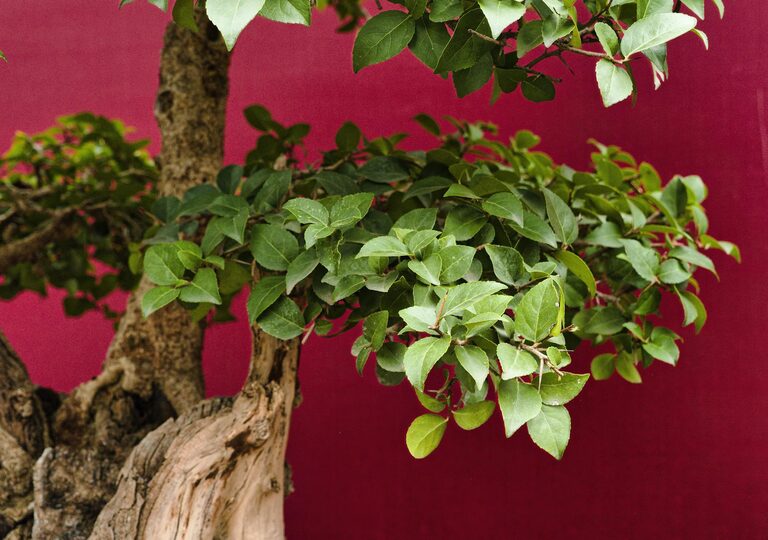
Keeping houseplants healthy not only enhances the beauty of your living space but also brings a touch of nature indoors. Whether you’re a beginner or have a green thumb, understanding the basics of plant care can help your plants thrive. In this post, we’ll explore practical tips that will keep your houseplants vibrant and lush throughout the year.
Understanding Your Houseplants’ Needs
Every plant has its own unique requirements for light, water, soil, and temperature. The first step to keeping your plants healthy is learning about the specific care they need.
Know Your Plant’s Light Requirements
Light is one of the most important factors for plant health. Some plants prefer bright, indirect light, while others thrive in low-light conditions.
– Bright light: Succulents, spider plants, and fiddle leaf figs usually want plenty of bright indirect sunlight.
– Low light: Snake plants, pothos, and ZZ plants can tolerate shade or dimmer spots.
– Direct sunlight: Some cacti and succulents enjoy direct sun but be careful, as many houseplants can get sunburned if exposed to harsh rays.
Tip: Place plants closer to windows with the kind of light they prefer, or use sheer curtains to diffuse strong sunlight.
Water Wisely
Overwatering and underwatering are common issues that can harm your houseplants.
– Check soil before watering: Stick your finger about an inch into the soil. If it feels dry, it’s time to water; if it’s still moist, wait a few days.
– Water thoroughly: When you do water, ensure the water drains through the pot’s holes so roots won’t sit in water, which leads to root rot.
– Adjust watering frequency: Plants generally need less water during winter and more during the growing season (spring/summer).
Use the Right Soil and Pot
Choosing the right soil mix and pot is crucial for plant health.
– Potting mix: Use soil recommended for your plant type. For example, cacti need a fast-draining mix, while ferns prefer a moisture-retaining mix.
– Drainage: Always use pots with drainage holes to prevent water buildup.
– Repotting: Repot plants every 1-2 years to refresh soil and provide room for growth.
Create a Comfortable Environment
Houseplants thrive when their surroundings mimic their natural habitat.
Maintain Ideal Humidity and Temperature
– Most houseplants do well in temperatures between 65°F and 75°F (18°C – 24°C).
– Increase humidity for tropical plants by misting leaves, grouping plants together, or using a humidifier.
– Avoid placing plants near heaters, air conditioners, or drafty windows.
Keep Plants Clean
Dust and dirt block sunlight and can encourage pests.
– Gently wipe leaves with a damp cloth every few weeks.
– For plants with many small leaves, use a soft brush or shower them with lukewarm water.
Monitor for Pests and Diseases
Early detection prevents small problems from becoming big issues.
Common Houseplant Pests
– Aphids
– Spider mites
– Mealybugs
– Scale insects
Inspect your plants regularly, especially under leaves and at stem joints. If pests appear, isolate the affected plant and treat it with insecticidal soap or wipe pests off with rubbing alcohol.
Watch for Disease Signs
Yellowing leaves, brown spots, and wilting can signal diseases or improper care. Adjust watering or lighting as needed, and remove affected leaves to prevent spread.
Feed Your Plants
Applying fertilizer helps provide nutrients that may be missing in potting soil.
– Use a balanced liquid fertilizer every 4-6 weeks during the growing season.
– For a natural option, consider compost tea or diluted fish emulsion.
– Reduce feeding during dormancy in fall and winter.
Tips for Long-Term Plant Success
Rotate Your Plants
Turn plants occasionally to ensure all sides receive equal light. This helps promote balanced growth.
Prune and Trim
Cutting off dead or yellowing leaves encourages new growth and maintains plant shape.
Propagate New Plants
Many houseplants easily grow from cuttings, allowing you to expand your indoor garden or share with friends.
Conclusion
With a little attention and the right care, your houseplants will flourish and bring joy year-round. Remember to learn about your specific plant’s needs, provide proper lighting and watering, maintain a comfortable environment, and be vigilant about pests and diseases. Happy gardening!
—
By following these tips, your indoor green friends will stay healthy and add life to your home for years to come.