
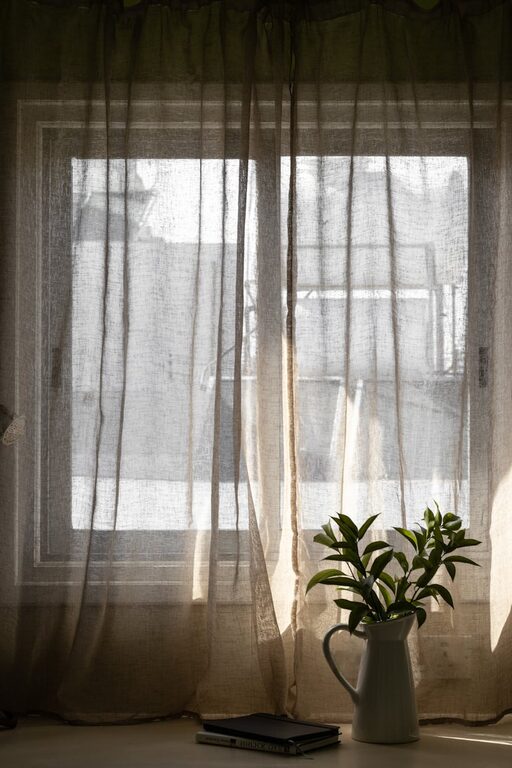
Bringing plants into your home is one of the simplest and most rewarding ways to refresh your living space. Not only do plants add natural beauty, but they also improve air quality, create a calming atmosphere, and add life to any room. Whether you’re a green thumb or a beginner, this guide will help you choose the right plants and style them to enhance your home’s ambiance.
Why Use Plants to Refresh Your Home?
Plants are versatile decor elements. They can complement modern, traditional, minimalist, or eclectic styles. Beyond aesthetics, studies have shown that indoor plants can boost mood, reduce stress, and even increase productivity. Plus, caring for plants can be a relaxing and fulfilling hobby.
Here are a few reasons to consider adding plants:
– Enhance air quality by filtering toxins
– Introduce natural textures and colors
– Bring a sense of calm and connection to nature
– Add depth and interest to any room
Choosing the Right Plants for Your Home
Not all plants are created equal, especially when it comes to indoor living spaces. Consider the following factors to select plants that will thrive in your home:
Light Availability
Most indoor plants have specific light needs:
– Bright light: Plants like succulents and fiddle leaf figs do well near windows with plenty of sunlight.
– Indirect light: Peace lilies, snake plants, and pothos tolerate filtered light or areas away from direct sun.
– Low light: ZZ plants and cast iron plants survive in darker corners.
Be honest about your home’s lighting situation. Notice how sunlight moves throughout the day and pick plants accordingly.
Maintenance Level
Some plants require more care, while others are hardier and low-maintenance.
– Easy-care plants: Snake plant, pothos, spider plant
– Moderate care plants: Philodendron, African violet
– High care plants: Orchids, bonsai, some ferns
If you’re new to plants or have a busy schedule, start with easier options.
Size and Space
Consider how much room you have. Large plants can make bold statements in living rooms, whereas small succulents or herbs are perfect for desks, shelves, or windowsills.
Where to Place Plants in Your Home
Plants can enhance almost any space, but strategic placement helps maximize their impact.
Living Room
A tall plant near the sofa or in an empty corner adds height and structure. Smaller plants on coffee tables or shelves create an inviting atmosphere.
Kitchen
Herbs in small pots on windowsills make cooking more enjoyable. Air-purifying plants here can help with odors.
Bedroom
Plants like lavender or jasmine promote relaxation and better sleep. Choose small to medium-sized plants on nightstands or dressers.
Bathroom
If your bathroom has natural light, humidity-loving plants like ferns or peace lilies thrive here.
Home Office
Plants can reduce stress and boost creativity. Keep small potted plants on your desk or larger ones nearby to freshen the air.
Styling Tips for Home Plants
To create a visually appealing and cohesive look, try these styling ideas:
– Group plants in odd numbers for a natural and balanced display.
– Mix heights and textures to add depth; combine leafy plants with succulents or cacti.
– Use decorative pots that match your home’s style, from modern ceramics to woven baskets.
– Elevate plants with stands, shelves, or hanging planters to save floor space.
– Rotate plants regularly to ensure even light exposure and showcase different views.
Caring for Your Indoor Plants
Healthy plants contribute most to a fresh home feel. Here are basic care tips:
– Water wisely: Most plants prefer the soil to dry out slightly before watering again. Overwatering is a common mistake.
– Check for pests regularly and treat with natural remedies if needed.
– Fertilize during growing seasons (spring and summer) with appropriate plant food.
– Clean leaves gently to remove dust and help plants photosynthesize efficiently.
– Repot when necessary to provide room for growth and refresh soil.
Seasonal Refresh with Plants
Change is part of refreshing your home. Consider switching up your plants with the seasons:
– Add fresh cut flowers alongside potted plants for a colorful touch in spring and summer.
– Introduce seasonal greenery like poinsettias or evergreen branches around holidays.
– Bring some plants outside during warmer months if possible, then bring them indoors in colder weather.
Final Thoughts
Incorporating plants into your home doesn’t have to be complicated or expensive. Even a few well-chosen pots can transform your space into a more lively, welcoming environment. Take time to explore different plants, experiment with arrangements, and enjoy the benefits of nature indoors. Your home will feel fresher, healthier, and more inviting in no time!